Hair growth is influenced by genetics, overall health, and how well you care for your scalp and hair. These natural treatments can help create optimal conditions for healthy hair growth by nourishing your scalp, strengthening hair strands, and improving circulation.
1. Scalp Massage with Essential Oils
How it works: Scalp massage increases blood circulation to hair follicles, delivering more nutrients and oxygen to promote growth. The mechanical stimulation also helps relax the scalp muscles and may extend the hair growth phase.

Detailed preparation:
- Mix 3-5 drops of essential oil with 1-2 tablespoons of carrier oil
- Best essential oils: Rosemary (shown in studies to be as effective as minoxidil), peppermint (increases follicle depth), lavender (promotes cell growth), cedarwood, and thyme
- Best carrier oils: Jojoba (closest to natural sebum), coconut (penetrates hair shaft), argan (rich in vitamin E), or sweet almond oil
Application method:
- Apply to dry scalp before washing
- Use fingertips (not nails) in circular motions
- Start at hairline and work toward crown
- Apply gentle to moderate pressure for 5-10 minutes
- Focus on areas with thinning hair
- Leave on for 30 minutes to overnight before shampooing
Frequency: 2-3 times per week for optimal results without over-stimulation
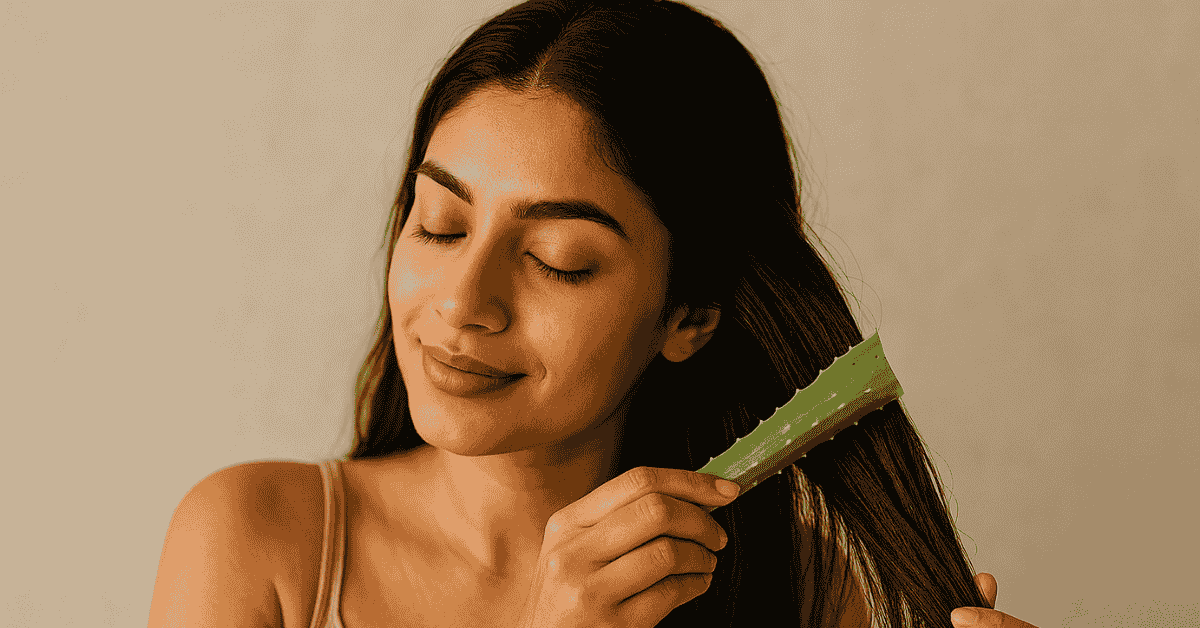
2. Aloe Vera Treatment
How it works: Aloe vera contains 75+ active compounds including vitamins A, C, E, amino acids, and proteolytic enzymes that repair dead skin cells on the scalp. Its anti-inflammatory properties reduce scalp irritation, while its pH balancing effect (4.5-5.5) creates optimal conditions for hair growth.
Detailed preparation:
- Use fresh aloe vera gel from the plant (most potent) or 100% pure aloe vera gel
- If using fresh: Cut a thick aloe leaf, extract clear gel, blend until smooth
- Strain to remove any pulp for smoother application
- Can mix with 1 teaspoon honey for added antibacterial benefits
- Add 2-3 drops of essential oil for enhanced effects
Application method:
- Apply to clean, damp scalp and hair from roots to tips
- Section hair for even distribution
- Massage gently into scalp for 2-3 minutes
- Cover with shower cap to prevent dripping
- Leave for 30-60 minutes (can be left overnight for deep treatment)
- Rinse with lukewarm water, then shampoo if desired
Frequency: 2-3 times per week. Safe for daily use on sensitive scalps
Additional benefits: Reduces dandruff, adds natural shine, provides UV protection
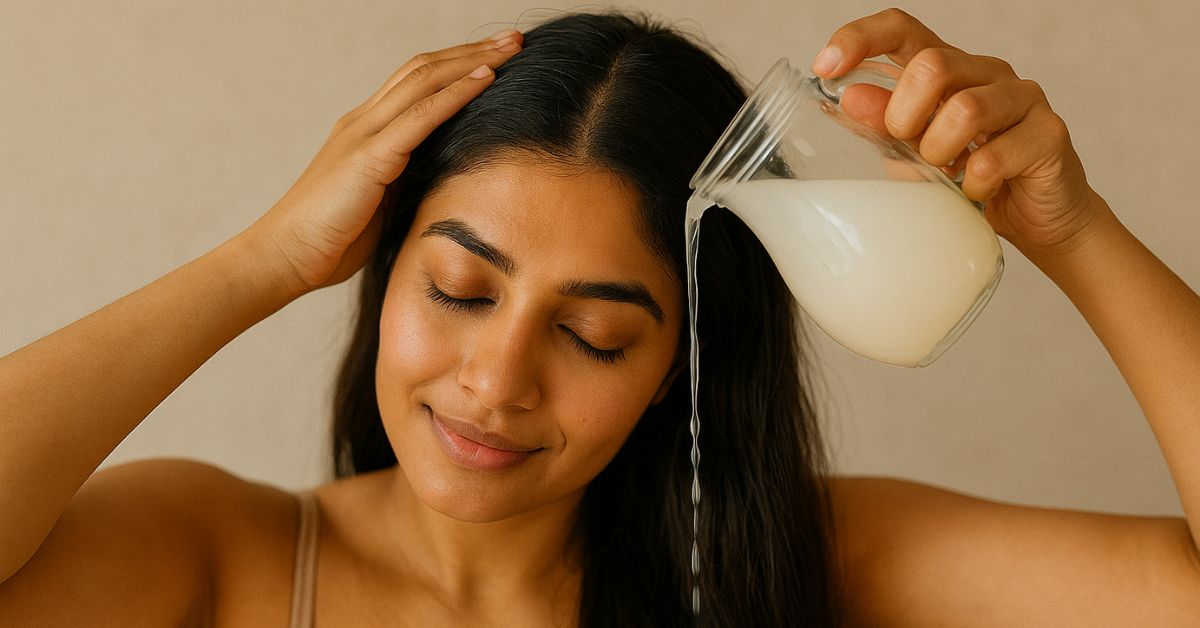
3. Rice Water Rinse
How it works: Rice water contains inositol (a carbohydrate that repairs damaged hair), amino acids that strengthen hair roots, vitamins B and E, minerals, and antioxidants. The starch creates a protective film around hair strands, reducing friction and breakage.
Detailed preparation methods:
Soaking method (mildest):
- Rinse 1/2 cup uncooked rice until water runs clear
- Soak in 2-3 cups water for 30 minutes
- Strain and collect the milky water
- Use immediately or refrigerate for up to 4 days
Boiling method (more concentrated):
- Boil rice in excess water (3:1 ratio)
- Strain when rice is half-cooked
- Cool completely before use
- Dilute if too strong (can cause protein overload)
Fermented rice water (most potent):
- Follow soaking method but leave at room temperature for 12-24 hours
- Fermentation increases antioxidants and pH compatibility
- Will have slight sour smell when ready
- Dilute 1:1 with fresh water before use
Application method:
- Use as final rinse after shampooing and conditioning
- Pour slowly over scalp and hair
- Massage into scalp for 2-3 minutes
- Leave on for 5-20 minutes
- Rinse with cool water
- No need to shampoo again
Frequency: Once or twice per week (over-use can cause protein overload and stiffness)
Pro tips: Add a few drops of essential oil to mask the smell, strain through cheesecloth for smoother application
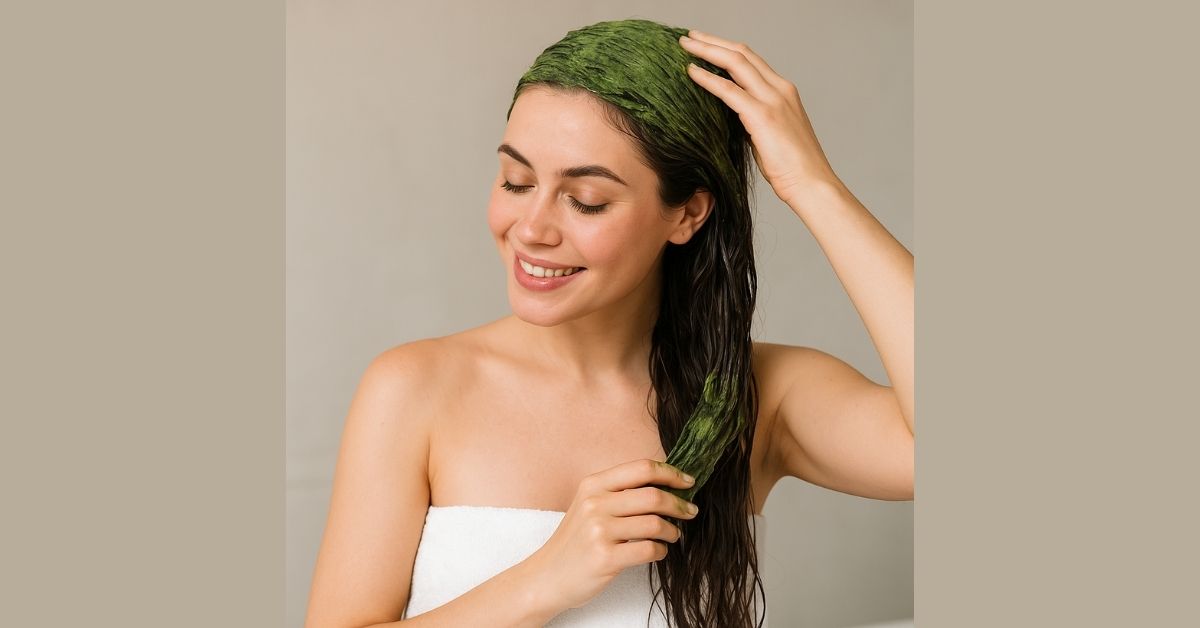
4. Green Tea Hair Mask
How it works: Green tea contains EGCG (epigallocatechin gallate), a powerful antioxidant that blocks DHT (dihydrotestosterone), the hormone responsible for hair loss. Caffeine in green tea stimulates hair follicles and extends the growth phase. Polyphenols improve scalp circulation and reduce inflammation.
Detailed preparation:
Basic green tea rinse:
- Steep 3-4 green tea bags or 2 tablespoons loose tea in 2 cups hot water
- Let steep for 10-15 minutes for maximum potency
- Cool completely before use
- Can be stored in refrigerator for up to 1 week
Enhanced green tea mask:
- 1/2 cup strong cooled green tea
- 2 tablespoons raw honey (antibacterial, moisturizing)
- 1 tablespoon coconut oil (optional, for dry hair)
- 1 egg yolk (optional, for protein boost)
Concentrated treatment:
- Grind used green tea leaves into paste
- Mix with 1 tablespoon honey and 1 tablespoon aloe vera gel
- Creates exfoliating and nourishing mask
Application method:
- Apply to clean, damp hair and scalp
- For liquid rinse: Pour slowly, massage scalp for 3-5 minutes
- For mask: Apply section by section, ensuring even coverage
- Cover with shower cap
- Leave on for 10-30 minutes (longer for deeper treatment)
- Rinse thoroughly with cool water
- Follow with light conditioner if needed
Frequency: 2-3 times per week for treatment, daily as a rinse for maintenance
Best tea varieties: Matcha (highest antioxidants), sencha, or white tea for sensitive scalps
5. Onion Juice Treatment
How it works: Onions are rich in sulfur compounds (especially quercetin), which boost collagen production essential for hair growth. The sulfur improves blood circulation to follicles, provides antibacterial benefits, and helps regenerate hair follicles. Studies show 74% of participants experienced hair regrowth after 6 weeks of use.
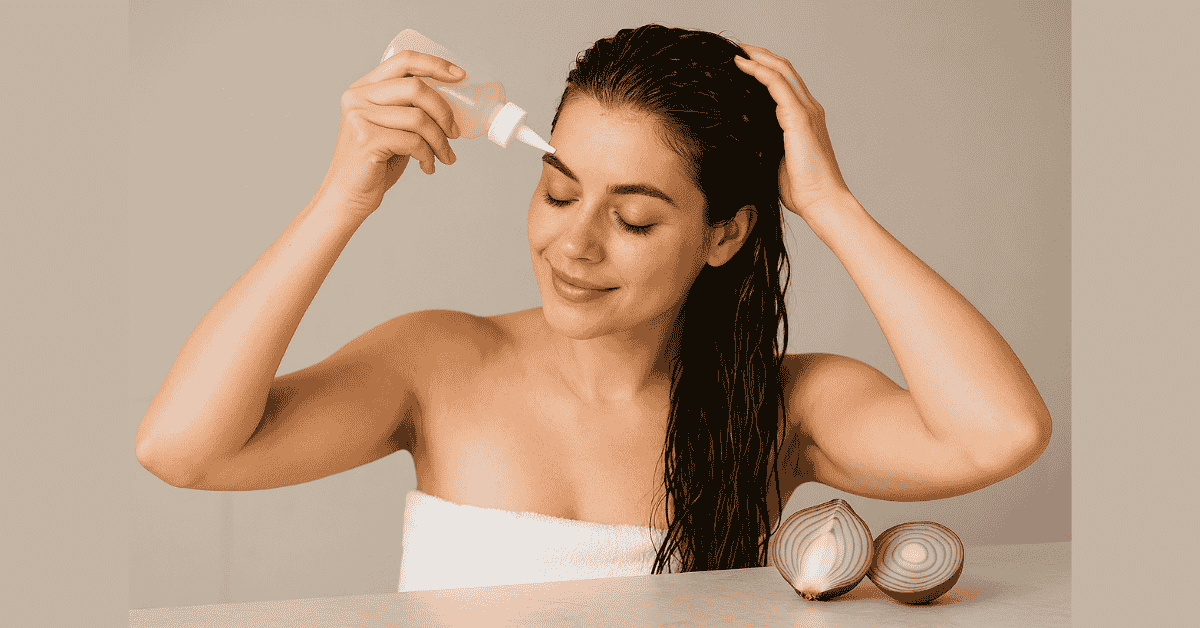
Detailed preparation:
Basic onion juice:
- Use 1-2 medium red or white onions (red onions have higher quercetin)
- Chop and blend with minimal water
- Strain through fine mesh or cheesecloth
- Press pulp to extract maximum juice
- Fresh juice is most potent (use within 24 hours)
Enhanced onion treatment:
- Mix onion juice with equal parts aloe vera gel (reduces irritation)
- Add 1 tablespoon honey and 1 teaspoon ginger juice
- Include 2-3 drops of essential oil to mask odor
Milder option for sensitive scalps:
- Dilute onion juice 1:1 with water or rose water
- Add 1 tablespoon coconut oil for moisturization
Application method:
- Apply to clean scalp using cotton ball or spray bottle
- Part hair in sections for thorough coverage
- Massage gently for 2-3 minutes
- Avoid getting in eyes (very irritating)
- Cover with shower cap
- Leave on for 15-45 minutes (start with shorter time)
- Wash out with mild shampoo (may need double wash)
- Use cool water to prevent cooking smell
Frequency: 2-3 times per week for 6-8 weeks to see results
Odor elimination tips:
- Rinse with diluted apple cider vinegar
- Use lemon juice in final rinse
- Apply essential oils to hair ends
- Treatment is best done before days you don’t need to go out
Precautions: Patch test first, avoid if you have sensitive skin or scalp conditions
6. Egg Mask for Protein
How it works: Hair is 91% protein (keratin), so protein treatments help rebuild damaged hair structure. Eggs contain complete proteins with all essential amino acids, biotin for hair growth, sulfur for strength, and lecithin for moisture and shine. Different parts of the egg offer specific benefits.
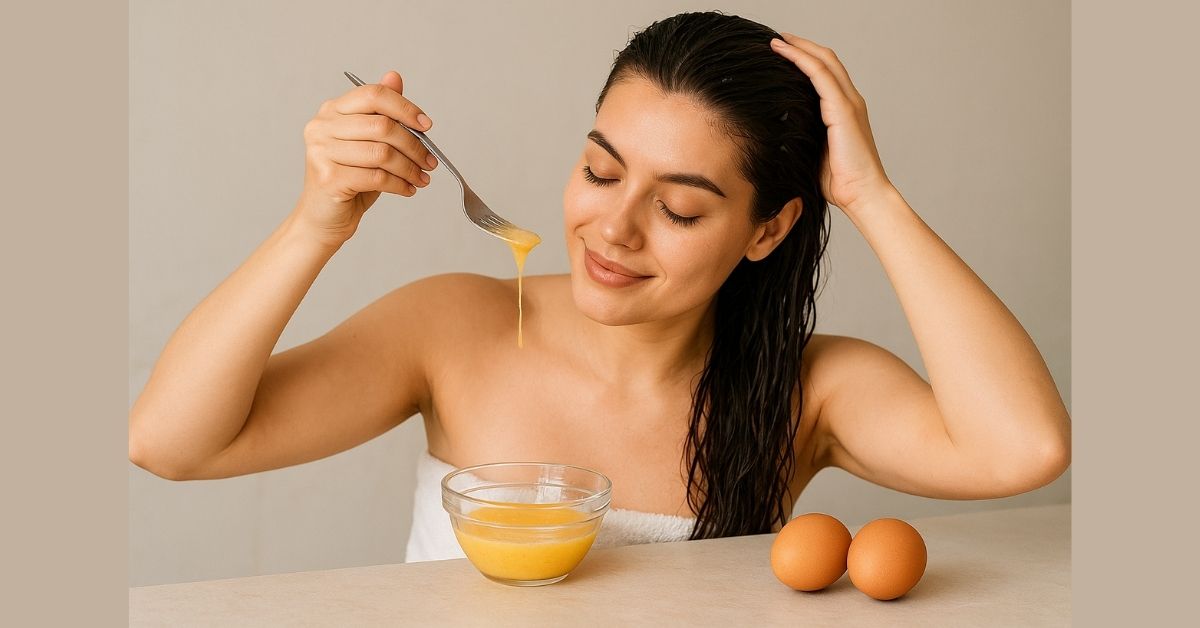
Detailed preparation:
For oily hair and scalp:
- Use egg whites only (2-3 whites)
- Contains more protein and less fat
- Add 1 tablespoon lemon juice for cleansing
- Include 1 teaspoon honey for moisture balance
For dry or damaged hair:
- Use whole eggs (1-2 eggs depending on hair length)
- Add 1 tablespoon olive oil or coconut oil
- Include 1 tablespoon honey for deep conditioning
- Add 1/2 mashed avocado for extra moisture
For normal hair:
- Use 1 whole egg plus 1 egg white
- Mix with 2 tablespoons plain yogurt
- Add 1 teaspoon honey and few drops essential oil
Super protein treatment:
- 2 eggs + 1 tablespoon mayonnaise + 1 tablespoon coconut oil
- Most intensive protein and moisture combination
Application method:
- Beat eggs thoroughly until frothy
- Apply to damp (not soaking wet) hair
- Start with scalp massage for 2-3 minutes
- Work through hair from roots to ends
- Use wide-tooth comb for even distribution
- Cover with shower cap to prevent dripping
- Leave on for 20-30 minutes (no longer to prevent stiffness)
- Rinse with COOL water (hot water will cook the egg)
- Follow with mild shampoo if needed
- Use cool final rinse for shine
Frequency: Once per week for maintenance, twice per week for damaged hair
Pro tips:
- Always use cool water for rinsing
- Add essential oils to mask egg smell
- Follow with deep conditioner if hair feels dry
- Don’t leave on too long (can cause protein overload)
Signs of protein overload: Hair feels stiff, brittle, or breaks easily – reduce frequency or alternate with moisturizing treatments
7. Coconut Oil Deep Conditioning
How it works: Coconut oil has a unique molecular structure that allows it to penetrate the hair shaft better than other oils, reducing protein loss by up to 40%. Rich in lauric acid (antibacterial), vitamin E (antioxidant), and medium-chain fatty acids that nourish follicles and strengthen hair from within.
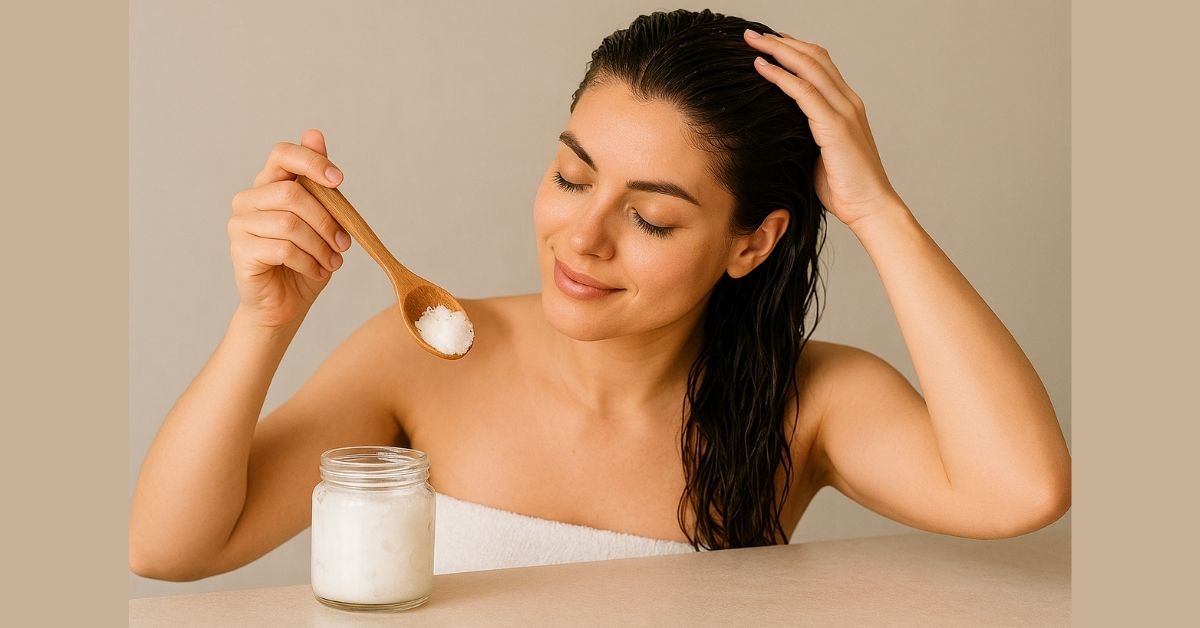
Detailed preparation:
Basic coconut oil treatment:
- Use 2-4 tablespoons virgin, unrefined coconut oil
- Warm slightly in microwave (10-15 seconds) or double boiler
- Should be liquid but not hot (test temperature on wrist)
Enhanced coconut oil blend:
- 3 tablespoons coconut oil
- 1 tablespoon castor oil (promotes growth)
- 1 tablespoon argan oil (adds shine)
- 5-8 drops rosemary essential oil
- Mix while oil is slightly warm
Intensive repair treatment:
- 2 tablespoons coconut oil
- 1 tablespoon honey (humectant)
- 1 egg yolk (protein and moisture)
- 1 teaspoon apple cider vinegar (pH balance)
Application method:
Pre-shampoo treatment:
- Apply to dry hair before washing
- Start with scalp massage for 5-10 minutes
- Work oil through hair with fingers or wide-tooth comb
- Pay extra attention to ends and damaged areas
- Leave on for 30 minutes to overnight
- Shampoo 1-2 times to remove (may need clarifying shampoo)
Leave-in treatment (for very dry hair):
- Use tiny amount on damp hair ends only
- Avoid roots to prevent greasiness
- Style as usual
Frequency: 1-2 times per week for normal hair, 2-3 times for very dry or damaged hair
Best practices:
- Use organic, virgin coconut oil for maximum benefits
- Coconut oil solidifies below 76°F – this is normal
- May cause buildup on low-porosity hair – alternate with clarifying treatments
- Some people are sensitive to coconut oil – patch test first
Hair types that benefit most: Coarse, curly, chemically treated, or heat-damaged hair
Removal tips:
- Apply shampoo to oiled hair before adding water (cuts through oil better)
- Use warm (not hot) water
- May need two shampoo rounds for complete removal
8. Fenugreek Seed Treatment
How it works: Fenugreek seeds contain high levels of protein (23%), nicotinic acid (improves blood circulation), lecithin (natural emollient), and hormone-like compounds that can stimulate hair growth. The mucilage content provides natural conditioning while antifungal properties combat scalp issues.
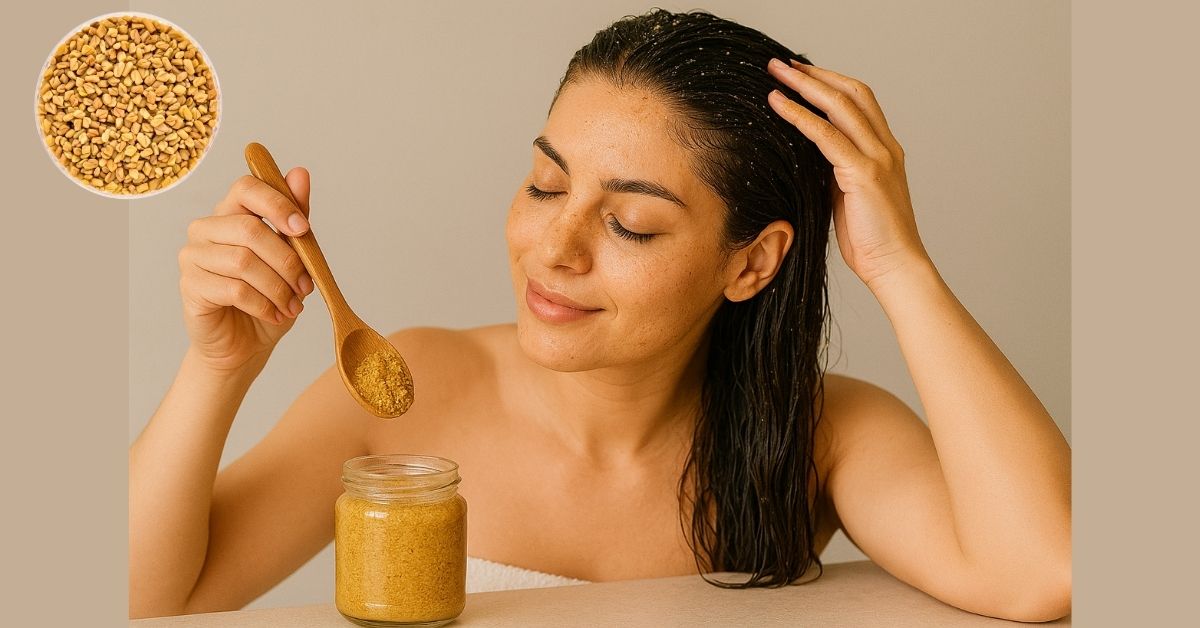
Detailed preparation:
Basic fenugreek paste:
- Soak 2-3 tablespoons fenugreek seeds in water overnight (12-24 hours)
- Seeds will swell and become gel-like
- Grind soaked seeds into smooth paste using blender
- Add soaking water gradually for desired consistency
- Strain if you prefer smoother texture
Enhanced fenugreek treatment:
- Soaked and ground fenugreek seeds
- 2 tablespoons coconut milk (additional conditioning)
- 1 tablespoon honey (antibacterial, moisturizing)
- 1 teaspoon fenugreek oil (if available)
- Few drops essential oil for fragrance
Power pack version:
- 2 tablespoons fenugreek paste
- 1 tablespoon onion juice (growth stimulation)
- 1 tablespoon aloe vera gel (soothing)
- 1 teaspoon castor oil (thickness and growth)
Dry scalp formula:
- Fenugreek paste + 2 tablespoons plain yogurt + 1 tablespoon olive oil
Application method:
- Apply paste to clean, damp scalp and hair
- Section hair for thorough coverage
- Massage gently into scalp for 3-5 minutes
- Work through hair length, focusing on roots and mid-lengths
- Cover with shower cap (paste can be messy)
- Leave on for 30-60 minutes
- Rinse thoroughly with lukewarm water
- Shampoo gently (may need mild shampoo to remove all residue)
- Follow with light conditioner if needed
Frequency: 1-2 times per week for 6-8 weeks to see results
Additional benefits:
- Reduces dandruff and scalp irritation
- Adds natural shine and softness
- Helps with premature graying
- Strengthens hair follicles
Pro tips:
- Grind seeds fresh for each use for maximum potency
- Can make larger batches and freeze in ice cube trays
- The paste has a maple syrup-like smell
- May temporarily darken very light blonde hair
- Soak seeds longer (24-48 hours) for easier grinding
Precautions: Patch test first as some people may be allergic to fenugreek
9. Apple Cider Vinegar Rinse
How it works: ACV has a pH of 2.5-3.5, which helps close hair cuticles, remove product buildup, and balance scalp pH (optimal range 4.5-5.5). The acetic acid dissolves mineral deposits from hard water, unclogs follicles, and creates an environment where beneficial bacteria thrive while harmful bacteria are inhibited.
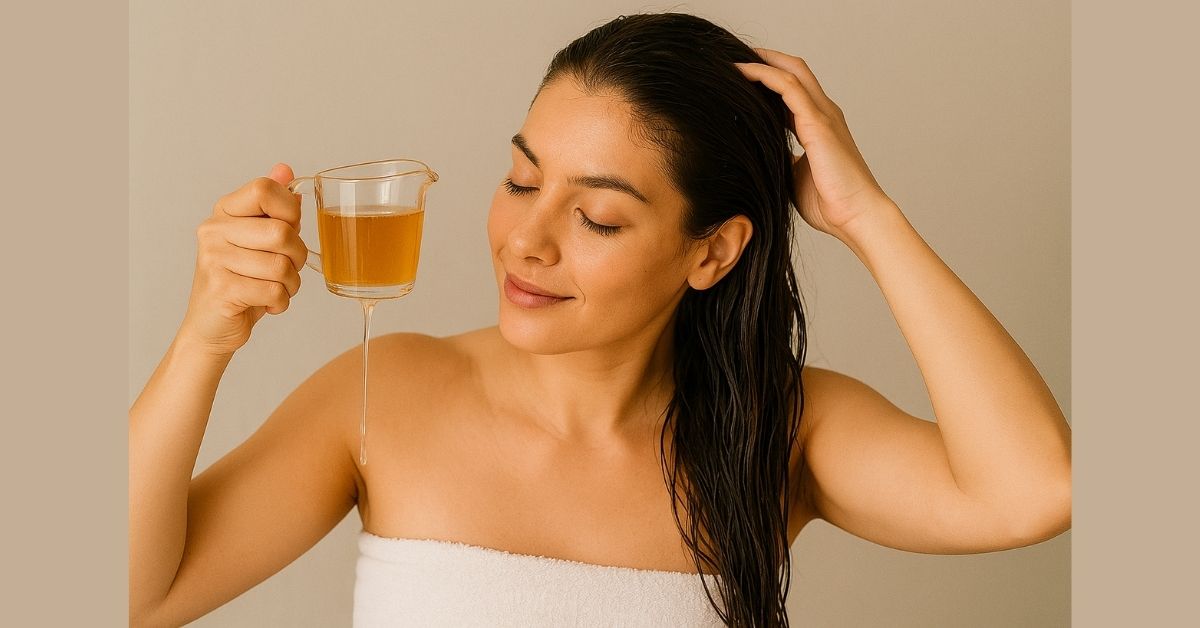
Detailed preparation:
Basic ACV rinse:
- Mix 1-2 tablespoons raw, unfiltered ACV with 1 cup cool water
- Use organic ACV with “the mother” for maximum benefits
- Always dilute (undiluted ACV can damage hair and scalp)
Enhanced clarifying rinse:
- 2 tablespoons ACV
- 1 cup water
- 1 teaspoon honey (moisturizing)
- 3-4 drops essential oil (lavender or rosemary)
Weekly deep cleanse:
- 1/4 cup ACV
- 2 cups water
- 1 tablespoon baking soda (mix separately, will fizz)
- Use for heavily product-laden hair
Gentle daily rinse:
- 1 teaspoon ACV
- 1 cup water
- Safe for daily use on most hair types
Application method:
After shampooing method:
- Shampoo hair as usual
- Skip conditioner initially
- Pour ACV rinse slowly over scalp and hair
- Massage into scalp for 1-2 minutes
- Let sit for 2-5 minutes
- Rinse thoroughly with cool water
- Apply light conditioner to ends if needed
Pre-shampoo clarifying treatment:
- Apply stronger ACV solution to dry hair
- Let sit for 5-10 minutes
- Rinse and shampoo as usual
- Use for heavy buildup removal
Frequency:
- Normal hair: Once per week
- Oily hair: 2-3 times per week
- Dry hair: Every 2 weeks
- Color-treated hair: Use sparingly, test first
Benefits by hair type:
- Oily hair: Controls excess sebum production
- Dry hair: Smooths cuticles, adds shine
- Curly hair: Defines curls, reduces frizz
- Fine hair: Adds volume by removing buildup
- Colored hair: Maintains color vibrancy (use cautiously)
Pro tips:
- The vinegar smell disappears when hair dries
- Start with weaker solutions and increase strength gradually
- Never apply undiluted ACV to hair or scalp
- Store mixture in refrigerator for up to 1 week
- Can help extend time between washes by removing excess oil
Precautions:
- May lighten color-treated hair over time
- Can be drying if overused
- Avoid if you have open cuts or very sensitive scalp
10. Maintain a Healthy Diet and Lifestyle
How it works: Hair follicles are among the most active cells in the body, requiring constant nutrition. Hair growth occurs in cycles, and nutritional deficiencies can push follicles into the resting phase prematurely. Stress increases cortisol levels, which can shrink hair follicles and slow growth.

Essential nutrients for hair growth:
Protein (most critical):
- Daily need: 0.8-1g per kg body weight
- Best sources: Lean meats, fish, eggs, legumes, quinoa, nuts
- Hair is 91% protein – inadequate intake causes weak, thin hair
- Include complete proteins with all essential amino acids
Iron (especially for women):
- Daily need: 18mg for women, 8mg for men
- Best sources: Spinach, lentils, red meat, pumpkin seeds
- Iron deficiency is the #1 nutritional cause of hair loss
- Pair with vitamin C for better absorption
- Check ferritin levels if experiencing hair loss
Biotin (B7):
- Daily need: 30mcg
- Sources: Eggs, almonds, sweet potatoes, salmon
- Deficiency rare but supplementation can help if deficient
- Works synergistically with other B vitamins
Zinc:
- Daily need: 8-11mg
- Sources: Oysters, pumpkin seeds, chickpeas, cashews
- Deficiency causes hair loss and slow growth
- Don’t exceed 40mg daily (can interfere with copper absorption)
Vitamin D:
- Daily need: 600-800 IU
- Sources: Sunlight, fatty fish, fortified foods
- Deficiency linked to alopecia and slow growth
- Most people need supplementation in winter
Omega-3 fatty acids:
- Daily need: 1-2g
- Sources: Fatty fish, walnuts, flaxseeds, chia seeds
- Reduces inflammation, adds shine and thickness
- Take fish oil supplements if diet is inadequate
Vitamin C:
- Daily need: 75-90mg
- Sources: Citrus fruits, berries, bell peppers, broccoli
- Essential for collagen production and iron absorption
- Antioxidant protection for follicles
Lifestyle factors:
Sleep optimization:
- Aim for 7-9 hours of quality sleep
- Hair growth hormone peaks during deep sleep
- Use silk pillowcases to reduce friction
- Keep bedroom cool and dark
Stress management:
- Chronic stress causes telogen effluvium (temporary hair loss)
- Practice: Meditation, yoga, deep breathing, regular exercise
- Consider adaptogens like ashwagandha or rhodiola
- Maintain work-life balance
Hydration:
- Drink 8-10 glasses of water daily
- Dehydration affects nutrient transport to follicles
- Herbal teas count toward fluid intake
- Monitor urine color (pale yellow is ideal)
Exercise:
- 150 minutes moderate exercise weekly
- Improves circulation to scalp
- Reduces stress hormones
- Increases growth hormone production
- Include both cardio and strength training
Foods to limit or avoid:
- Excessive sugar (causes inflammation)
- Processed foods (lack nutrients)
- Excessive alcohol (depletes B vitamins)
- Trans fats (increase inflammation)
- High mercury fish (can cause hair loss)
Sample daily hair-healthy menu:
- Breakfast: Spinach omelet with berries
- Lunch: Salmon salad with pumpkin seeds
- Snack: Greek yogurt with nuts
- Dinner: Lentil curry with quinoa
- Hydration: Green tea, water, herbal teas
When to consider supplements:
- If dietary intake is inadequate
- During periods of high stress
- Postpartum or menopause
- Following restrictive diets
- Consult healthcare provider before starting
Timeline for results:
- Nutritional changes: 3-6 months to see effects
- Hair growth cycle: Takes 2-4 months for new growth to emerge
- Be patient and consistent with healthy habits
Additional Tips for Success
- Be consistent with treatments for at least 2-3 months to see results
- Avoid harsh chemicals and excessive heat styling
- Trim split ends regularly to prevent breakage
- Use a silk or satin pillowcase to reduce friction
- Protect hair from sun and environmental damage
- Be gentle when brushing wet hair
Remember that hair typically grows about half an inch per month, so patience is key when trying natural treatments. Results may vary based on individual factors like genetics, age, and overall health. If you experience significant hair loss or scalp issues, consider consulting a dermatologist or healthcare provider.
Frequently Asked Questions (FAQs)
How long does it take to see results from natural hair growth treatments?
Most people begin to notice improvements in hair texture and strength within 4-6 weeks of consistent use. However, visible length growth typically takes 2-3 months since hair grows approximately 0.5 inches per month. For significant results like increased thickness or reduced hair loss, expect to wait 3-6 months with regular treatment.
Can I use multiple treatments at the same time?
Yes, but introduce treatments gradually to avoid overwhelming your scalp. Start with 1-2 treatments for 2-3 weeks, then add others. Avoid using protein treatments (like eggs) and clarifying treatments (like ACV) on the same day. A good rotation might be: Day 1 – Oil massage, Day 3 – Rice water rinse, Day 5 – Aloe vera treatment.
How often should I wash my hair when using these treatments?
This depends on your hair type and the treatments you’re using. Generally, wash 2-3 times per week if you have dry or treated hair, and 3-4 times for oily hair. Pre-shampoo treatments like oil masks may require washing, while leave-in treatments like aloe vera might extend the time between washes.
Are these treatments safe for color-treated or chemically processed hair?
Most treatments are safe, but use caution with acidic treatments like ACV and onion juice, which may fade color faster. Protein treatments (eggs, rice water) are especially beneficial for chemically processed hair. Always do a strand test first and use gentler formulations if you have recent chemical treatments.
What should I do if a treatment causes scalp irritation?
Stop the treatment immediately and rinse thoroughly with cool water. Apply aloe vera gel to soothe irritation. In the future, always patch test new treatments 24-48 hours before full application. Dilute strong treatments like onion juice or essential oils, and reduce frequency of use.
Can men use these same treatments?
Absolutely! These treatments work for all hair types and genders. Men may particularly benefit from scalp massage with essential oils and onion juice treatments, which can help with male pattern baldness by improving circulation and blocking DHT.
Is it normal to lose more hair initially when starting treatments?
Some people experience increased shedding in the first 2-4 weeks as treatments stimulate the scalp and weak hairs fall out to make room for stronger growth. This is normal and temporary. However, if excessive hair loss continues beyond 4 weeks, discontinue treatments and consult a healthcare provider.
Can pregnant or breastfeeding women use these treatments?
Most topical treatments are safe during pregnancy and breastfeeding, but avoid essential oils without consulting your doctor first. Focus on gentle treatments like aloe vera, coconut oil, and rice water. Always prioritize proper nutrition during this time as it’s crucial for both you and your baby.
Do these treatments work for all types of hair loss?
These treatments are most effective for hair loss due to poor scalp health, nutritional deficiencies, stress, or damage from styling. They may help slow genetic hair loss (androgenetic alopecia) but won’t cure it. For medical conditions like alopecia areata, thyroid disorders, or severe hair loss, consult a dermatologist.
Can I use these treatments on extensions or wigs?
Natural treatments work best on your own hair growing from the scalp. For extensions, focus on the scalp and roots where your natural hair grows. Avoid getting treatments on synthetic extensions as they may be damaged by oils or acidic solutions.
What’s the difference between hair growth and hair thickness?
Hair growth refers to length increase over time, while thickness involves the diameter of individual strands and overall density. These treatments can improve both by strengthening existing hair (reducing breakage for apparent length gain) and potentially stimulating dormant follicles for increased density.
Should I continue using regular hair products while doing these treatments?
You can continue using your regular products, but consider switching to sulfate-free shampoos and avoiding products with harsh chemicals that might counteract your natural treatments. Use these treatments as supplements to, not replacements for, good basic hair care.
How do I know if my hair needs protein or moisture?
Perform the strand test: Take a wet strand and gently stretch it. If it breaks immediately, you need moisture. If it stretches significantly before breaking, you need protein. If it stretches slightly then returns to normal, your hair is balanced. Adjust treatments accordingly.
Can these treatments cause hair to grow faster than the normal rate?
These treatments optimize conditions for your hair’s natural growth rate but can’t make hair grow faster than your genetic maximum (typically 0.5 inches per month). They can help you achieve your personal maximum growth rate and reduce factors that slow growth.
What if I have a sensitive scalp or skin allergies?
Start with the gentlest treatments like aloe vera or diluted rice water. Always patch test 24-48 hours before full application. Avoid treatments with strong ingredients like onion juice or essential oils. Consider consulting a dermatologist for personalized advice if you have severe sensitivities.
Can diet alone improve hair growth without topical treatments?
A healthy diet is fundamental for hair growth and may be sufficient if poor nutrition was the main issue. However, topical treatments can provide additional benefits by directly nourishing the scalp, improving circulation, and addressing external damage that diet alone cannot fix.
Are expensive hair growth products better than these natural treatments?
Not necessarily. Many commercial products contain the same active ingredients found in natural treatments, often in lower concentrations. Natural treatments are cost-effective and free from potentially harmful chemicals. However, some medical treatments may be more potent for severe hair loss.
How do I create a hair treatment schedule?
Create a weekly routine based on your hair’s needs:
- Week 1-2: Start with 1-2 gentle treatments (aloe vera, coconut oil)
- Week 3-4: Add rice water rinse or green tea treatment
- Week 5+: Introduce protein treatments or more intensive options
- Always space treatments 1-2 days apart and include rest days
Can I store prepared treatments, and for how long?
Storage varies by treatment:
- Rice water: 4-7 days refrigerated
- Green tea: 1 week refrigerated
- Onion juice: 24 hours maximum
- Oil blends: 1-2 months in cool, dark place
- Fresh preparations (aloe, eggs): Use immediately for best results
What should I do if treatments aren’t working after 3 months?
Evaluate your consistency, overall health, stress levels, and other factors affecting hair growth. Consider consulting a dermatologist to rule out underlying medical conditions. You may need to adjust your approach, try different treatments, or explore medical options for hair loss.